



Are you confused about which plastic storage containers are best for your kitchen?
With so many options available—different sizes, shapes, materials, and safety claims—choosing the right plastic storage containers can feel overwhelming. Yet, the right choice can help keep your food fresh, your kitchen organized, and your family safe.
In this guide, we’ll answer common questions, compare different types of plastic containers, discuss food safety, and explain how to clean plastic containers without lingering smells. By the end, you’ll know exactly what to look for when buying plastic storage containers for your kitchen.
Plastic storage containers have become a kitchen essential due to their lightweight design, affordability, and versatility. From storing leftovers to organizing dry ingredients, they help reduce food waste and maintain cleanliness.

What should you look for before buying plastic storage containers?
Not all containers are created equal. Choosing the right one depends on several important factors.
Always look for food-grade, BPA-free plastic. BPA (Bisphenol A) is a chemical that can leach into food and may cause health issues.
✔ Look for labels such as:
Airtight lids prevent moisture, bacteria, and odors from entering. This is especially important for storing leftovers and dry foods.
Stackable containers save space and keep cabinets tidy.
If you reheat food often, choose microwave-safe containers. For long-term storage, freezer-safe plastic prevents cracking.
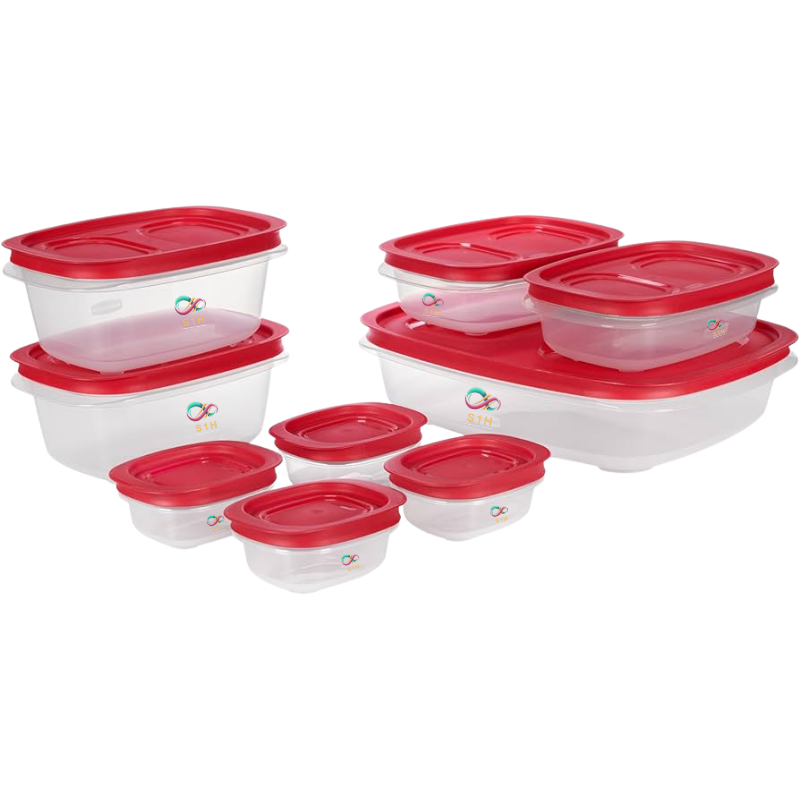
This is one of the most common questions—and the answer is yes, if you choose correctly.
Plastic storage containers are safe for food when they are:
They may become unsafe if:
| Feature | Plastic Containers | Glass Containers | Stainless Steel Containers |
|---|---|---|---|
| Food Safety | Safe if BPA-free | Very safe | Very safe |
| Weight | Lightweight | Heavy | Medium |
| Breakability | Unbreakable | Breakable | Unbreakable |
| Microwave Safe | Some only | Yes | No |
| Price | Affordable | Expensive | Expensive |
📌 Conclusion:
High-quality plastic containers are safe for everyday use and more convenient for busy kitchens.

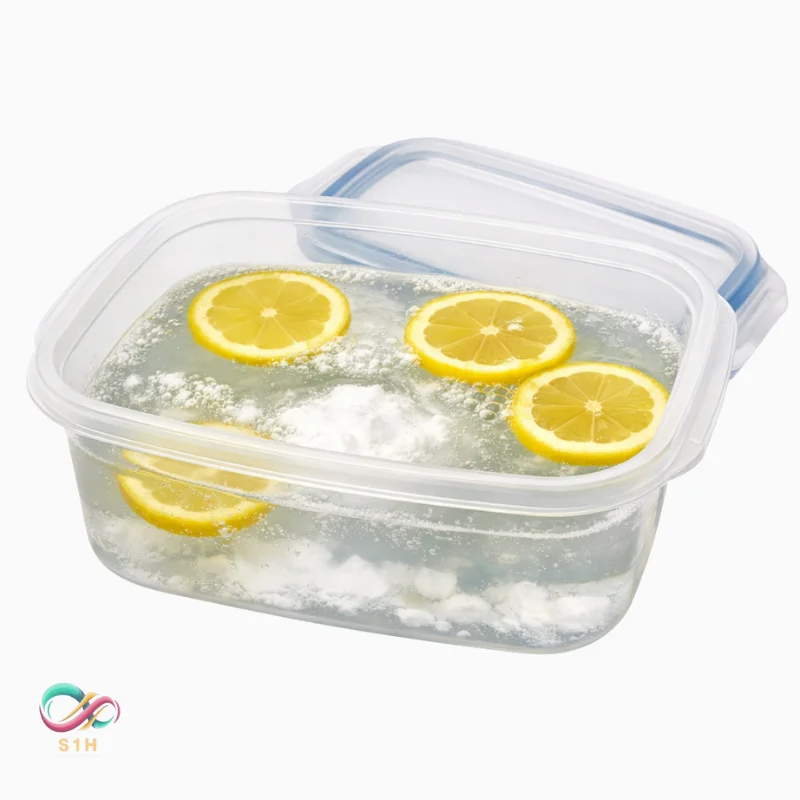
Do your plastic containers smell like curry, onions, or leftovers even after washing?
This is a common problem—but it’s easy to fix.
Plastic is slightly porous, which allows oils and strong food odors to get trapped over time.
Is plastic really better than glass or metal for kitchen storage?
Let’s compare based on daily kitchen use.
| Criteria | Plastic Containers | Glass Containers | Steel Containers |
|---|---|---|---|
| Ease of Use | Very easy | Moderate | Moderate |
| Storage Space | Excellent (stackable) | Limited | Limited |
| Maintenance | Easy | Easy | Easy |
| Travel Friendly | Yes | No | Yes |
| Cost | Low | High | High |
Best for everyday kitchen use: Plastic containers
Best for reheating: Glass containers
Best for long-term dry storage: Steel containers
Replacing worn-out containers regularly keeps your kitchen safe and hygienic.
Plastic storage containers are a practical, budget-friendly, and versatile solution for modern kitchens. When you choose BPA-free, airtight, and durable containers, they are safe for food and incredibly convenient.
By selecting the right size, maintaining proper cleaning habits, and avoiding common mistakes, you can enjoy odor-free, organized, and fresh food storage every day.

