


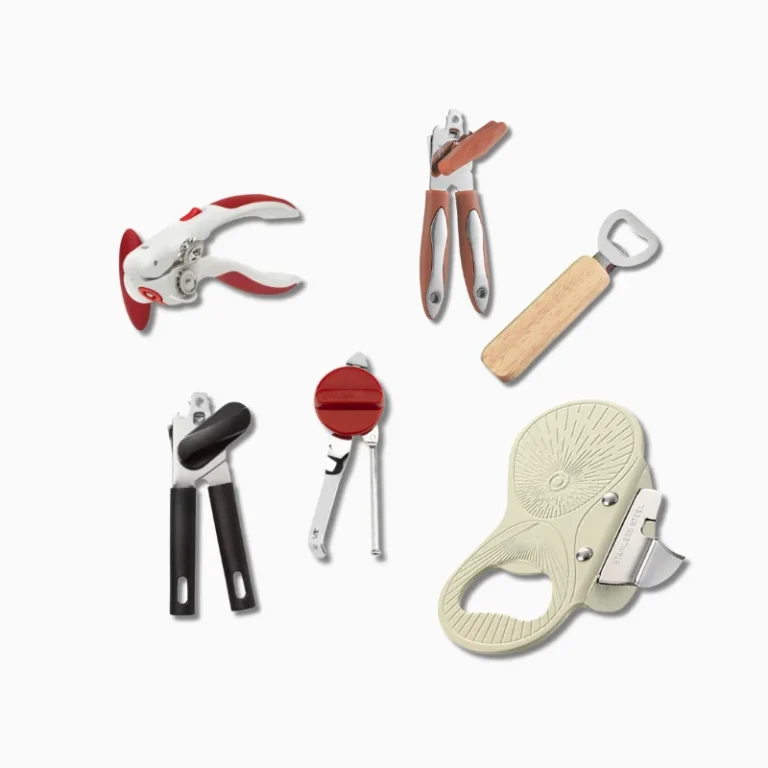
Have you ever been in the middle of cooking and suddenly realized your electric can opener isn’t working because there’s no power? Or maybe it stopped working after a few months? These common kitchen frustrations raise an important question: Are non electric can openers actually better than electric ones?
The short answer is yes—for many homes, manual can openers are more practical, reliable, and cost-effective. In this blog, we’ll explore why non electric can openers are better, discuss the best kitchen tools that don’t need electricity, explain how to use a manual can opener correctly, and compare manual vs electric can openers in detail.
Have you ever been in the middle of cooking and suddenly realized your electric can opener isn’t working because there’s no power? Or maybe it stopped working after a few months? These common kitchen frustrations raise an important question: Are non electric can openers actually better than electric ones?
The short answer is yes—for many homes, manual can openers are more practical, reliable, and cost-effective. In this blog, we’ll explore why non-electric can openers are better, discuss the best kitchen tools that don’t need electricity, explain how to use a manual can opener correctly, and compare manual vs electric can openers in detail.
One of the biggest advantages of non electric can openers is that they don’t require electricity or batteries. This makes them perfect for:
A manual can opener works anytime, anywhere, making it far more reliable than electric alternatives.
Manual Non Electric Can Openers are usually made from stainless steel or heavy-duty metal, which makes them extremely durable. With minimal moving parts, there’s less chance of failure.
Electric can openers, however, contain motors, wiring, and gears that can wear out over time. Once damaged, repairs are often costly—or impossible.
Cleaning an electric can opener can be difficult due to electrical components. Food residue can build up and become unhygienic.
Manual can openers are:
This makes them a more hygienic kitchen tool.

Non electric can openers are small, lightweight, and easy to store in a drawer. Electric can openers are bulky and take up valuable counter space.
For small kitchens, apartments, or minimalist setups, manual can openers are clearly the better option.
Manual can openers are much more affordable than electric ones. A high-quality manual opener can last for years at a fraction of the cost.
Electric can openers not only cost more upfront but may also require repairs, replacements, or battery changes.
Non electric can openers belong to a larger category of manual kitchen tools that are efficient and dependable. Here are some of the best kitchen tools that don’t need electricity:
These tools save energy, reduce bills, and work even when power isn’t available.
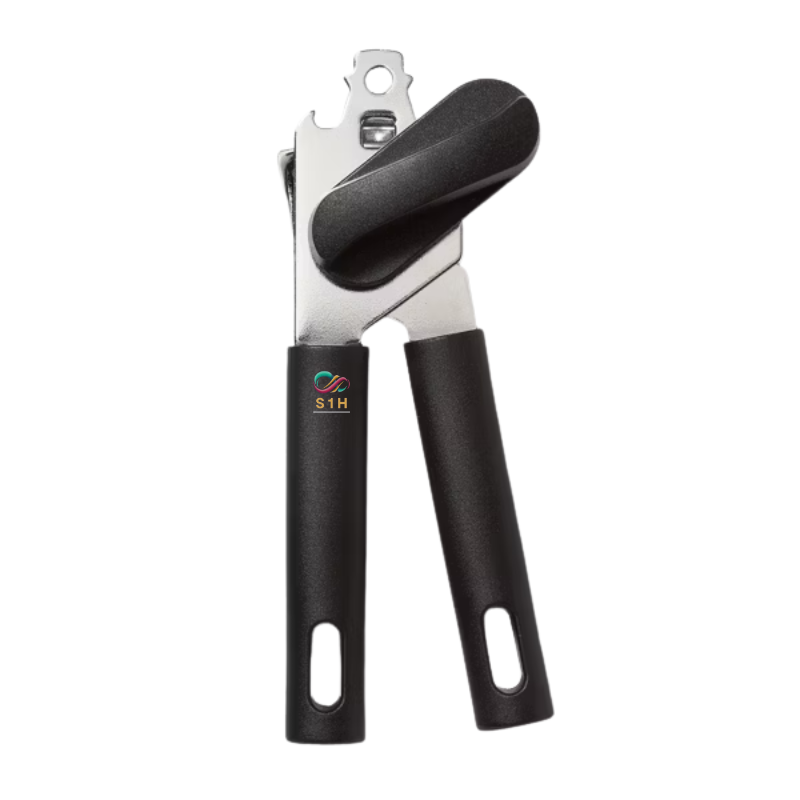
Using a manual can opener properly improves safety and efficiency. Follow these simple steps:
Using the correct technique ensures clean cuts and prevents hand injuries.

Below is a clear comparison to help you decide which option suits your kitchen best:
| Feature | Manual Can Opener | Electric Can Opener |
|---|---|---|
| Power Source | No electricity needed | Requires electricity or batteries |
| Durability | Very high | Moderate |
| Maintenance | Low | High |
| Cleaning | Easy | Difficult |
| Portability | Excellent | Limited |
| Cost | Affordable | Expensive |
| Storage | Compact | Bulky |
| Outdoor Use | Ideal | Not suitable |
From this comparison, it’s clear that manual can openers offer better reliability, lower cost, and greater convenience.
Manual can openers give users more control while opening cans. You can adjust pressure and speed, reducing the risk of spills or damaged cans.
Electric openers may struggle with dented or irregular cans, while manual openers handle them easily.
Non electric kitchen tools are more eco-friendly. They consume no power, produce no electronic waste, and last longer, reducing landfill impact.
Choosing manual tools is a small but meaningful step toward a sustainable kitchen.
A manual can opener is ideal for:
Even homes with electric can openers often keep a manual one as a backup.
So, why are non electric can openers better than electric ones? The answer lies in their simplicity, durability, affordability, and reliability. They work without electricity, are easy to maintain, and fit perfectly into modern, minimalist, and eco-friendly kitchens.
When combined with other best kitchen tools that don’t need electricity, a manual can opener becomes an essential everyday tool. Learning how to use a manual can opener correctly ensures safety and efficiency for years to come.
If you’re looking for a dependable kitchen tool that never lets you down, a non electric can opener is the smarter choice.

